Thinking about a master-planned community in Port St. Lucie but not sure where to start? You’re not alone. With rapid growth, new neighborhoods, and long amenity lists, it can be hard to separate marketing from what will fit your life day to day. In this guide, you’ll learn how to evaluate amenities, HOA rules, fees, schools, commutes, flood risk, and resale factors so you can compare communities with confidence. Let’s dive in.
Why master-planned communities matter here
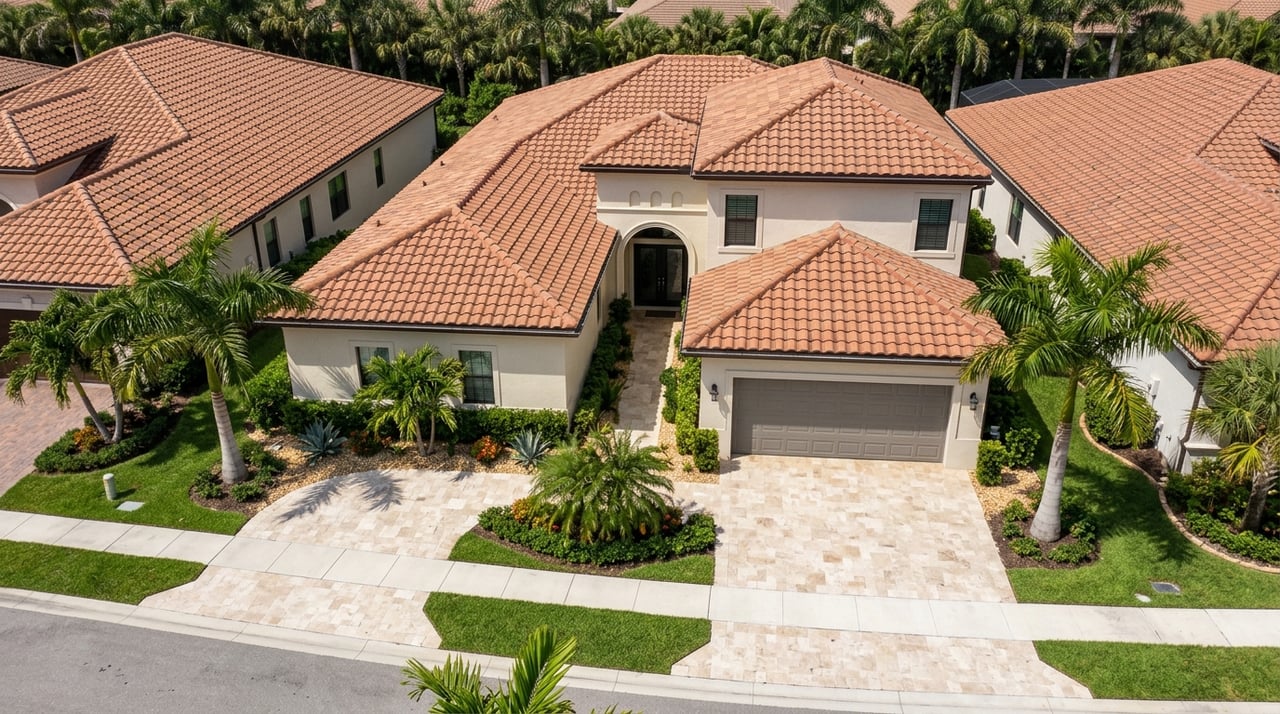
Port St. Lucie has grown fast, and many new neighborhoods are large, master-planned developments designed for an all-in-one lifestyle. Areas like Tradition and parts of St. Lucie West combine homes with shopping, trails, and medical facilities. This structure can be a great fit if you want amenities, new construction, and community management.
You will also want a clear view of the tradeoffs. Master-planned communities typically have HOA covenants, additional costs, and phased buildouts that affect timing. Local environmental factors, including proximity to the St. Lucie River and Indian River Lagoon, and travel patterns tied to I‑95, should be part of your comparison.
Start with lifestyle and amenities
MPCs are built around lifestyle. Focus on what you will use weekly and how completed those features are today.
Compare amenity types
- Community clubhouses and pools
- Fitness centers and sports courts or fields
- Playgrounds and dog parks
- Walking and bike trails
- On-site or nearby retail and medical services
- Golf courses and specialty clubs
- Schools located within or adjacent to the community
Ask which amenities are finished now versus planned for a future phase. Request timelines for anything not delivered yet.
Access and use policies
Confirm who can use the amenities. Are they for residents and guests only or open to the public? Ask if reservations are required for courts or event rooms and whether guest limits apply during peak seasons.
Programming and extra fees
Some activities are included in HOA dues, while others require separate memberships. Golf and country clubs often charge initiation, capital, or monthly fees. Get a written fee schedule and ask how increases are handled.
Understand HOA governance and rules
A master-planned community usually has a master HOA and often sub-associations for each village or neighborhood. Governance affects your daily life, from exterior changes to parking.
What to read before you sign
Request the CC&Rs, bylaws, rules and regulations, the most recent reserve study, the latest budget, and at least 12 months of meeting minutes. If the developer still controls the association, ask for a summary of developer rights. Review these documents with your agent and lender.
Rules that affect daily life
Look for architectural review board (ARB) standards covering exterior paint, landscaping, additions, solar panels, satellite dishes, fences, and storage sheds. Confirm parking rules, vehicle restrictions, pet policies, and short-term rental rules. Make sure your plans fit the rules as written, not as informally described.
Litigation and assessments
Ask if the association is in litigation. Review the history of special assessments over the last five years and the size of each. Ongoing disputes or repeated large assessments can affect financing and resale.
Know the fees and financial health
Beyond the purchase price, community costs can vary. Build a complete picture before you commit.
- Types of fees: master HOA dues, sub‑HOA dues, capital contributions, transfer fees, and any club initiation or capital fees.
- Billing cycles: monthly, quarterly, or annually. Confirm how and when increases are approved.
- Reserves: compare the reserve balance to recommended levels in the reserve study. Healthy reserves help cover big-ticket items without surprise assessments.
- Lender and insurer impact: high delinquency, litigation, or weak reserves can complicate FHA/VA or even conventional financing. Insurance needs, including possible flood insurance, also affect total cost.
Builders, construction quality, and warranties
Your experience can vary by builder and phase. Clarify who is building your home and what protections you have.
- Builder reputation and track record in St. Lucie County
- Construction phase: a home in an active phase may face nearby construction noise and traffic; later phases can change views and traffic patterns
- Warranties: what structural and roof coverage is standard and whether warranties transfer to a new owner
- Design standards: understand how future exterior changes are reviewed and approved
Schools, kid-friendly features, and walkability
If schools are part of your decision, confirm assigned schools with the St. Lucie County School District for the specific address. Ask about current enrollment and capacity for transparency. For everyday life, note the location of playgrounds, sports fields, sidewalks, and safe crossings.
Walkability varies by neighborhood. Some master-planned areas offer internal trails and proximity to shops or parks, while others require short drives for daily needs. Map out daycare, pediatric care, groceries, and after-school activities you will use most.
Commute and regional access
Many residents rely on I‑95 and nearby arterials for daily commutes. If your work is in local St. Lucie employment centers, healthcare campuses, or farther south toward Palm Beach County, test drive times during peak hours. Also consider access to regional airports, including Palm Beach International, for travel.
Public transit options are limited in many parts of the region. Check city and state transportation plans for projects that could affect commute times over the next few years.
Environmental and infrastructure essentials
Port St. Lucie and the Treasure Coast have unique environmental factors. Confirm flood risk and infrastructure details for any lot you consider.
- Flood zones: use FEMA flood maps to verify the specific panel for the property. Flood insurance may be required in certain zones.
- Stormwater systems: many MPCs use retention ponds and swales. Ask who maintains these systems and how often.
- Utilities and providers: confirm municipal water and sewer versus septic, internet and cable options, and any utility easements on the lot.
- Conservation areas: note any environmental constraints related to the St. Lucie River or Indian River Lagoon watersheds that might limit future changes.
Resale potential and market factors
Look beyond today’s fit to long-term value and marketability.
- Product mix: communities with a range of home types can appeal to a broader set of buyers, which can aid resale.
- Community age: newer areas may see appreciation as amenities deliver, while established areas can offer mature landscaping and more predictable dues.
- Comparable sales: study days on market, price trends, and inventory for similar homes in the immediate area.
- HOA reputation: clear rules, completed amenities, and solid financials tend to support demand.
Your on-tour checklist
Use this section to compare communities side by side and get complete answers before you decide.
Documents to request
- CC&Rs, bylaws, and rules and regulations
- Current year budget and recent financial statements
- Most recent reserve study
- Board meeting minutes for the last 6 to 12 months
- Notices of pending or recent special assessments
- Disclosure of any pending litigation involving the HOA
On-site inspections and timing
- Which amenities are completed today versus future phases
- Construction activity near the home and phase timelines
- Condition of common areas and any signs of deferred maintenance
- Who maintains streets, landscaping, and stormwater facilities
- Drive the neighborhood at different times to gauge traffic and activity
HOA questions to ask
- “Who governs this community: a master HOA, sub‑HOAs, the developer, or a management company?”
- “May I review the last 12 months of meeting minutes and the current budget?”
- “What are the current HOA dues, how are they billed, and what do they include?”
- “Have there been special assessments in the past five years?”
- “Is there any pending litigation or planned capital projects?”
- “What are the ARB rules for exterior colors, landscaping, additions, solar, and fences?”
- “Are short-term rentals allowed, and what are the leasing rules?”
Family-focused questions
- “Which public schools are zoned for this address, and are there any current capacity considerations?”
- “Where are the nearest pediatricians, urgent care, and supermarkets?”
- “Are playgrounds, sports fields, and family programs included, and are extra fees required?”
Financing and insurance checks
- Share HOA documents with your lender for financing review
- Confirm FEMA flood zone status and whether flood insurance is required
- Ask your insurance agent for premium estimates based on the exact address
Red flags to watch for
- Repeated or large special assessments with weak reserves
- Undisclosed or ongoing HOA litigation
- Developer control with limited homeowner representation
- Poorly maintained common areas despite high dues
- Heavy construction without clear timelines for roads, utilities, or amenities
Local next steps
As you compare Port St. Lucie communities, verify details with city and county planning departments, the county property appraiser, and the school district. Review FEMA flood maps for the specific lot, and check transportation plans for upcoming road projects. If you uncover HOA litigation or complex disclosures, consider looping in your lender and, if needed, an attorney before you finalize your contract.
Choosing the right master-planned community comes down to clarity. When you align amenities, rules, fees, schools, commute, and flood risk with your daily routine, your choice becomes obvious. If you want a local, process-driven partner with new‑construction and builder relationships, The Encore Group is here to help. Connect with Nora Hambrick to schedule your consultation and start touring the right communities.
FAQs
What is a master-planned community in Port St. Lucie?
- It is a large, developer-designed neighborhood with coordinated land use, amenities, design guidelines, and HOA governance, often built in phases.
How do HOA rules in these communities affect daily life?
- Rules can guide exterior changes, landscaping, parking, pets, and rentals, so review CC&Rs, ARB standards, and meeting minutes before you commit.
Which fees should I expect beyond the purchase price?
- Common fees include master and sub‑HOA dues, capital contributions, transfer fees, and possible club memberships, plus insurance and potential flood coverage.
How do I verify flood risk for a specific home?
- Check the property’s FEMA flood zone and ask your insurance agent about flood insurance requirements and premium estimates for that address.
What should I ask about community amenities during a tour?
- Confirm which amenities are complete, what is planned, timelines for delivery, access rules, reservation policies, and any separate membership or capital fees.
How do I assess an HOA’s financial health?
- Review the latest budget, financials, and reserve study, plus the history of special assessments and any pending litigation that could affect dues or financing.