Gated Or Non-Gated Living In Palm City: What To Know
March 24, 2026
March 24, 2026
Wondering if a gate is worth it in Palm City? You are not alone. Between guard-gated country-club living and low-dues non-gated streets, the right choice depends on how you live and what you want to spend. In this guide, you will see how gates affect costs, access, amenities, and due diligence so you can buy with confidence. Let’s dive in.
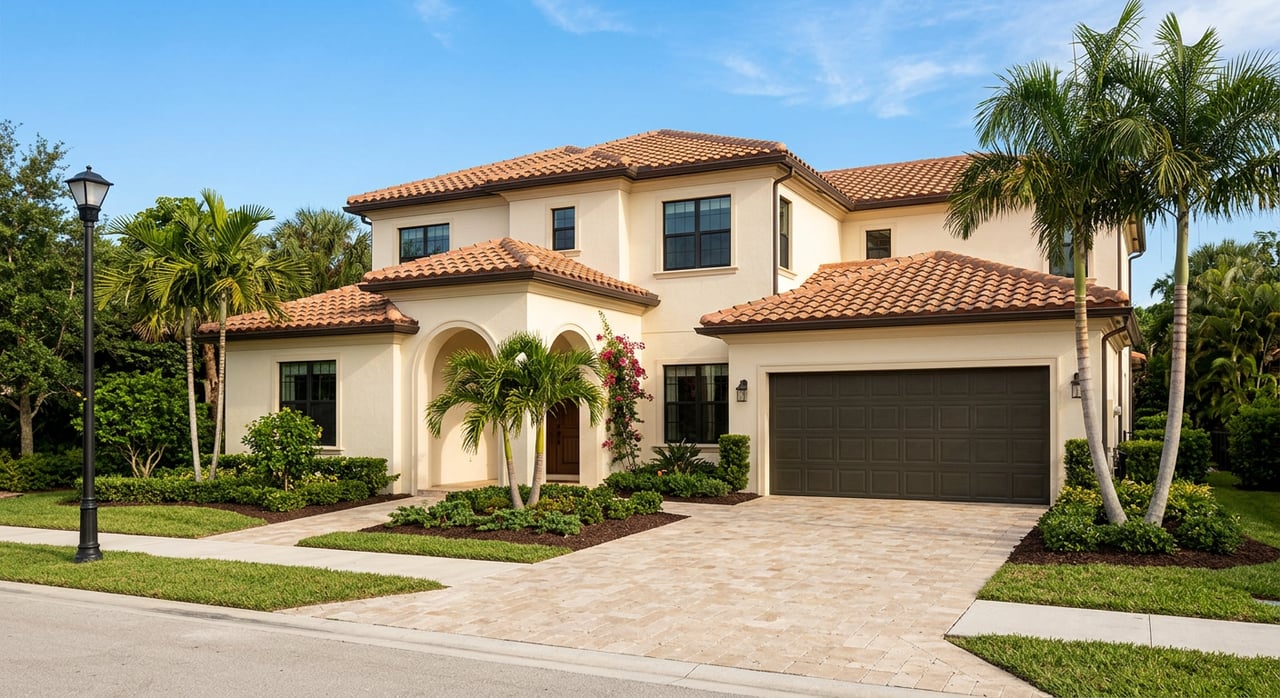
“Gated” in Palm City can mean very different things. It may be a small enclave with a single automated entry, or a large, staffed country-club community with layered amenities. For example, Martin Downs Country Club represents a larger, controlled-access country-club environment with golf, pools, and tennis facilities. Smaller enclaves around Palm City show how a simple gate may only cover entry control and shared landscaping.
Non-gated neighborhoods usually avoid gate-related operating costs and sometimes have lower recurring dues. That does not mean they lack community standards. Many have HOAs that handle common landscaping, basic amenities, and architectural rules without paying for gate systems or guard staffing.
Bottom line: focus on what the HOA covers, how access is managed, and how those choices show up in the budget for the specific property you are considering.
How a gate is designed often dictates your monthly costs.
If you are comparing two homes with similar price points, review each HOA budget. Look for line items for gate equipment, guard contracts, and reserves for replacement.
In Palm City, one key difference between communities is whether the roads and storm systems are public or private. Many gated neighborhoods keep roads private, which makes the association responsible for repaving, lighting, and stormwater maintenance. Martin County’s development agreements often assign these responsibilities to the owner or association, and gated developments must support emergency access systems. You can see these conditions in county PUD approvals that require radio-activated access for fire and rescue along with an approved key-switch interface, such as the requirements described in a Martin County zoning agreement on emergency access and maintenance obligations.
What this means for you: confirm road ownership on the recorded plat and review the HOA budget for reserves tied to paving and stormwater. Private infrastructure can be well-managed and reliable, but it needs long-term funding.
Some Palm City gated communities bundle amenities into the dues, from pools and courts to fitness rooms and clubhouses. Country-club environments can add golf and tennis programs with separate equity or membership fees. Martin Downs Country Club is the best-known local example of this style.
Other communities offer manned entry with shared amenities at a neighborhood scale. The Meadows at Martin Downs illustrates how a manned gate, community pool, and courts can be packaged without the full country-club structure.
As you compare neighborhoods, note the amenity list, whether membership is optional or required, and how those costs stack with the base HOA fee.
Gated entries can reduce cut-through traffic and create quieter internal streets. At peak hours, a single entry can also slow inbound or visitor flow if it is not sized or staffed well. For larger communities, look for separate visitor lanes, delivery procedures, and clear signage for contractors.
Expect guest lists, call boxes, or keypad codes for visitors. Vendors may need temporary passes. Read the rules and ask about how deliveries are handled. A smooth guest process can make a big difference in daily convenience.
Your HOA dues reflect what the association maintains. In gated communities that often includes gate systems, security contracts, common-area landscaping, and any shared amenities. Where roads and storm systems are private, you will also see pavement, lighting, lakes, and drainage in the budget.
Being in a gated neighborhood does not automatically lower homeowners insurance. Some carriers may offer security-related credits, but underwriting in Florida is driven by wind, roof condition, prior losses, and flood exposure. For a practical overview, see how insurers weigh factors and potential credits in this guide to reducing home insurance costs. Flood insurance is separate from homeowners coverage. Lenders require flood policies for properties in FEMA Special Flood Hazard Areas. The federal rule on lender flood requirements is summarized in the Federal Register’s guidance. Always confirm the flood zone for the specific lot and get quotes early.
Florida’s HOA law sets expectations for budgets, reserves, financial reporting, and disclosure. Associations responsible for capital items must plan for reserves or disclose if reserves are not funded, and they must prepare annual financial reports on a schedule. Review the statutory framework in Florida Statute 720.303 on HOA budgets and reporting.
When you go under contract, the estoppel certificate is your snapshot of the seller’s standing and the association’s current numbers. By statute, the association must deliver it within 10 business days of a proper request, and fees are capped. See timelines and fee caps in Florida’s estoppel certificate section.
Associations can fine and suspend certain use rights within statutory limits, and board practices vary. You can learn a lot by reading recent meeting minutes before you close.
If you are buying a condominium, Florida’s post–Surfside reforms added milestone inspections and required structural integrity reserve studies for buildings that are three stories or taller. These SIRS requirements affect budgets and assessments across the state. Treat SIRS status and milestone inspections as essential due diligence. For a clear overview of the rule changes, see this summary of mandatory condo inspections and SIRS requirements.
Use this list to keep your due diligence on track when comparing gated and non-gated homes:
If a quieter street and controlled entries matter to you, a gated community can deliver, with the tradeoff of higher operating costs and firm access rules. If you want lower dues and simpler operations, a non-gated neighborhood may fit better. Either way, your best decision comes from clear documents, a flood check for the lot, and an apples-to-apples view of the HOA budget and reserves.
When you are ready to compare specific Palm City neighborhoods, reach out. Our team will help you interpret estoppels, budgets, and rules, then stack communities side by side so you can buy with confidence. Start the conversation with Nora Hambrick.
Stay up to date on the latest real estate trends.




Your go-to real estate team. We have brought together a team of experts equipped with knowledge and specialized experience to assist you in your buying and selling goals. Contact Us today for a free consultation for buying, selling, renting or investing.