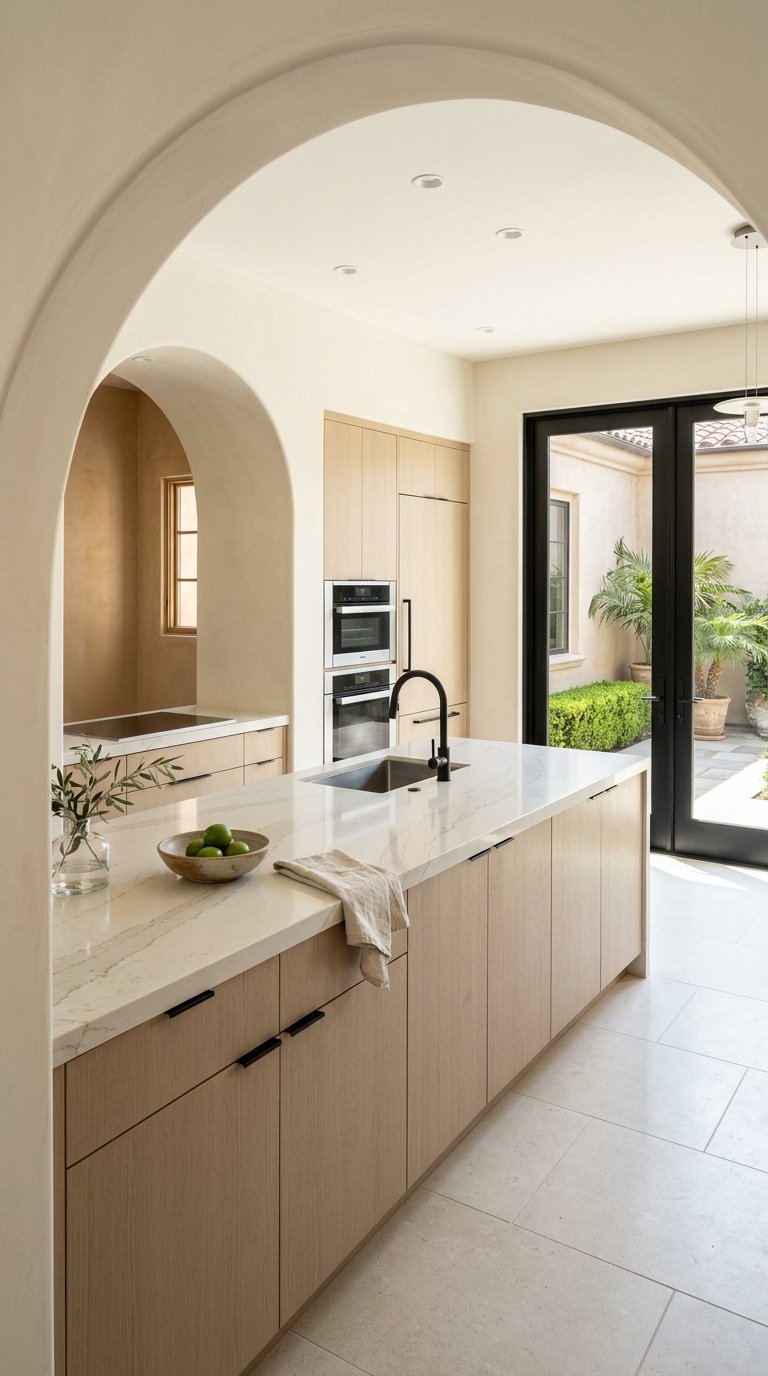
Historic Charm Or Newer Build In Fort Pierce?
May 7, 2026
May 7, 2026
Are you drawn to the front porch, original details, and story of an older home, or do you want the easier upkeep and predictable systems of a newer build? In Fort Pierce, that choice is not just about style. It can affect renovation plans, exterior approvals, energy performance, and even how you think about flood due diligence. If you are weighing historic charm against newer construction in Fort Pierce, this guide will help you compare the trade-offs and choose with more confidence. Let’s dive in.
Fort Pierce has a housing mix that gives you real options. The city’s 2024 population estimate is 50,805, with an owner-occupied housing rate of 49.5% and a median owner-occupied home value of $250,800, according to the U.S. Census Bureau. That kind of mix often means older neighborhoods, rental housing, and newer homes can all exist side by side.
What makes Fort Pierce especially interesting is that the city actively protects historic character while also allowing new homes that fit local context. The city has operated a preservation program since 2001, has six historic districts, and uses design review tools to guide changes in historic areas. So if you are deciding between old and new here, you are really choosing between two different lifestyles, not just two different floor plans.
In Fort Pierce, historic charm usually means more than age alone. It often includes architectural details, established streetscapes, and a strong sense of place tied to the city’s history. The city identifies several locally rooted architectural styles, including South Florida, Anglo-Caribbean, Mediterranean, Classical, Art Deco, and Masonry Modern.
You can see this local identity in areas tied to the city’s preservation framework, including Downtown, Edgartown, Rivers Edge, Avenue D, Sample Oaks, and Oakland Park. Downtown is known for period Spanish architecture, while Lincoln Park is recognized as one of the city’s oldest communities, with a historic center around Avenue D. For many buyers, that kind of identity is the biggest reason to consider an older home.
Older homes often offer details that are hard to replicate. You may find distinctive facades, mature surroundings, and a look that feels tied to Fort Pierce rather than built from a standard template. If you value individuality, a historic-area home can feel more memorable from day one.
There is also a practical upside that surprises some buyers. In Fort Pierce, the city’s design standards focus on exterior elements rather than interiors. That means you may have flexibility to modernize kitchens, bathrooms, flooring, and major systems without changing the home’s outward character.
If you buy in a historic district, you should expect more review for some exterior work. Fort Pierce uses a Certificate of Appropriateness process for many exterior changes in historic areas, and the Historic Preservation Board reviews items related to alterations, rehabilitation, demolition, district boundaries, and historic-site designations.
That does not mean every change becomes difficult. It does mean you should go in with the right expectations. If you want complete freedom to rework a facade, porch, windows, or other exterior features without city review, a historic-area property may feel more limiting.
Older homes can come with older materials. If a home was built before 1978, the EPA says it is more likely to contain lead-based paint. Intact paint is usually less of an issue, but peeling paint or renovation work can create hazardous dust, which is why testing and lead-safe work practices matter.
This does not automatically make an older home a bad choice. It simply means your decision should match your comfort level with projects, inspections, and careful planning. Buyers who love the charm are often happy to take that on, while buyers who want fewer unknowns may lean newer.
Newer construction tends to work well if you want more predictability. New homes are generally built under Florida’s current building code, which is the 8th Edition of the Florida Building Code, effective December 31, 2023. Florida’s energy-code rules also apply to new and renovated buildings.
For many buyers, that translates into fewer immediate projects and a more straightforward move. You may spend less time thinking about outdated systems and more time settling into the home. If convenience is high on your list, newer construction often has the edge.
Newer homes can offer better energy performance, especially when compared with much older housing stock. The U.S. Department of Energy notes that insulation lowers heating and cooling costs, and a professional home energy assessment can help identify the most important improvements before work begins.
In Florida’s climate, efficiency matters. Better insulation and updated construction standards can support comfort and help you manage monthly utility costs. If you want a home that feels easier to maintain from a systems standpoint, newer construction may be the cleaner fit.
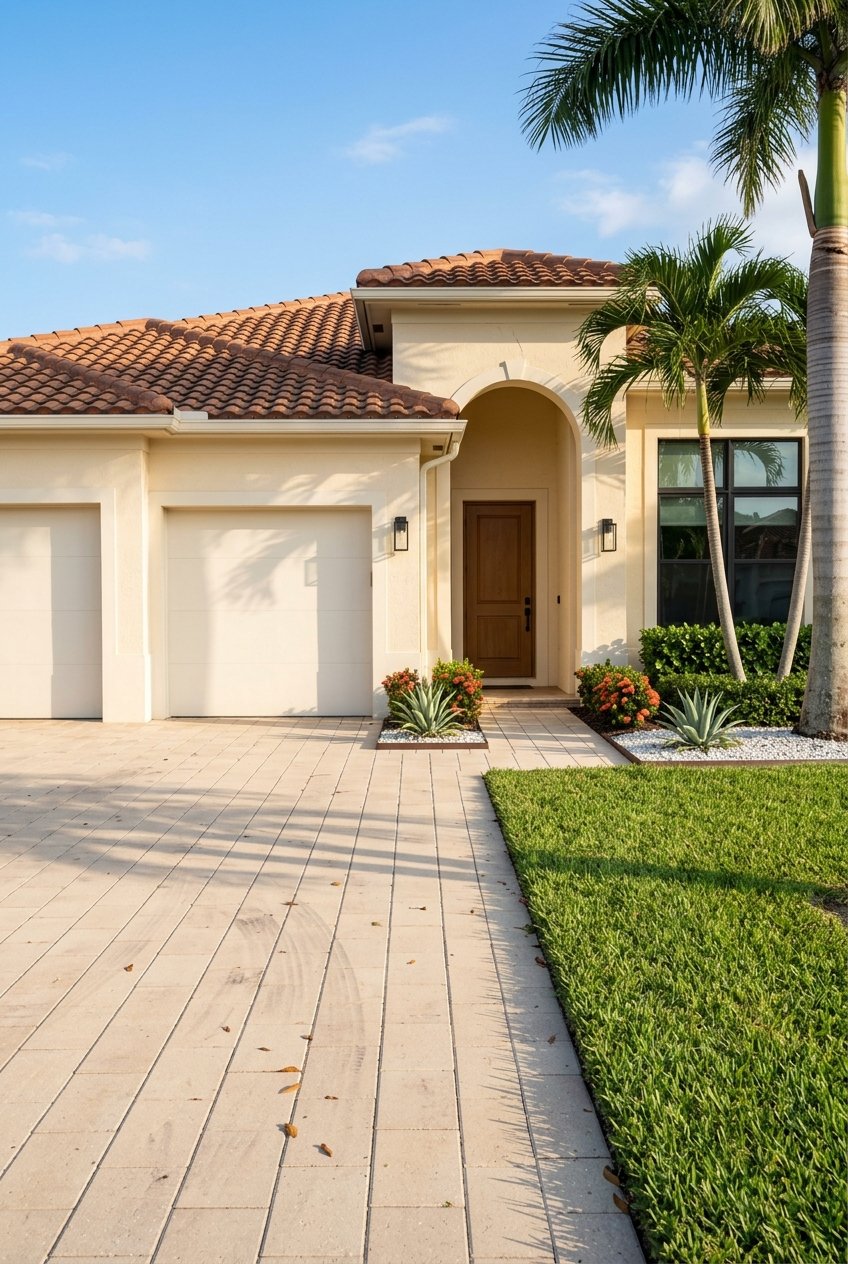
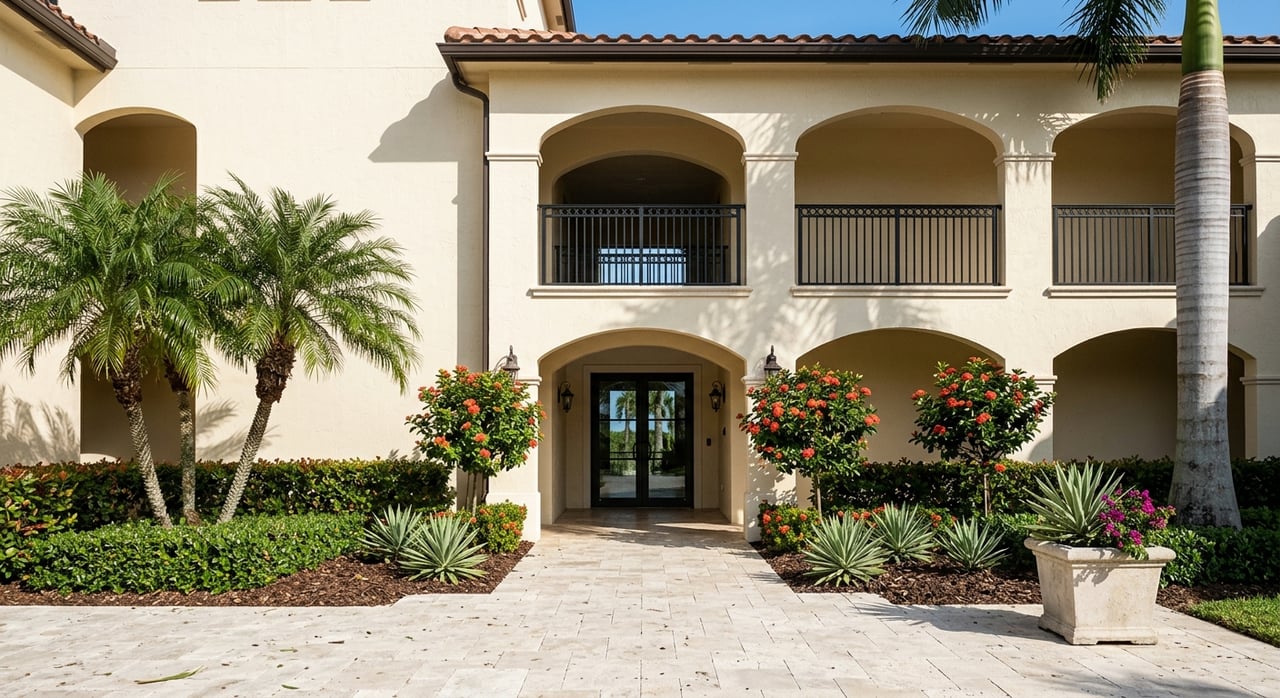
Some buyers assume a newer home means giving up local character. In Fort Pierce, that is not necessarily true. The city’s design standards specifically connect new construction with the city’s historic character and encourage context-sensitive design.
The standards even note that innovative small-lot homes may be modular if they include features like porches and finishes that look site-built and fit neighborhood character. So if you want newer systems but still care about curb appeal and a sense of place, Fort Pierce offers room for both.
Whether you buy historic or new, flood due diligence should be part of your process in Fort Pierce. St. Lucie County notes that the area is low-lying and exposed to heavy rainfall, tropical storms, hurricanes, and storm surge. The county also reminds property owners that standard homeowners insurance usually does not cover flood losses.
That is why flood-zone research should never be skipped just because a home is newer. The county participates in FEMA’s Community Rating System, and it notes that National Flood Insurance Program policies often have a 30-day waiting period. If flood coverage may be needed, timing matters.
If you are comparing homes in Fort Pierce, ask these questions early:
In coastal markets, there is no true shortcut around flood research. It is part of smart buying, whether the house is 100 years old or recently completed.
The best choice usually comes down to how you want to live. Fort Pierce gives you the opportunity to choose character, context, and the possibility of thoughtful updates, or to choose easier maintenance, newer systems, and more uniform convenience.
A historic home may be a better fit if you:
A newer build may be a better fit if you:
If you feel torn, start with your tolerance for projects. That one answer often clears up the rest. Buyers who enjoy the idea of stewardship, careful updates, and one-of-a-kind details often feel pulled toward historic homes, while buyers who want a more turnkey experience usually find peace of mind in newer construction.
Then think about what matters most after closing. If your dream is a home with history and personality, the extra planning may be worth it. If your goal is simplicity, efficiency, and fewer surprises, a newer build may serve you better.
In Fort Pierce, there is no one right answer for everyone. There is only the right fit for your timeline, budget, and comfort level. If you want help weighing neighborhoods, historic-area considerations, or newer-home options across the Treasure Coast, Nora Hambrick can help you compare the details and move forward with clarity.
Stay up to date on the latest real estate trends.
Your go-to real estate team. We have brought together a team of experts equipped with knowledge and specialized experience to assist you in your buying and selling goals. Contact Us today for a free consultation for buying, selling, renting or investing.