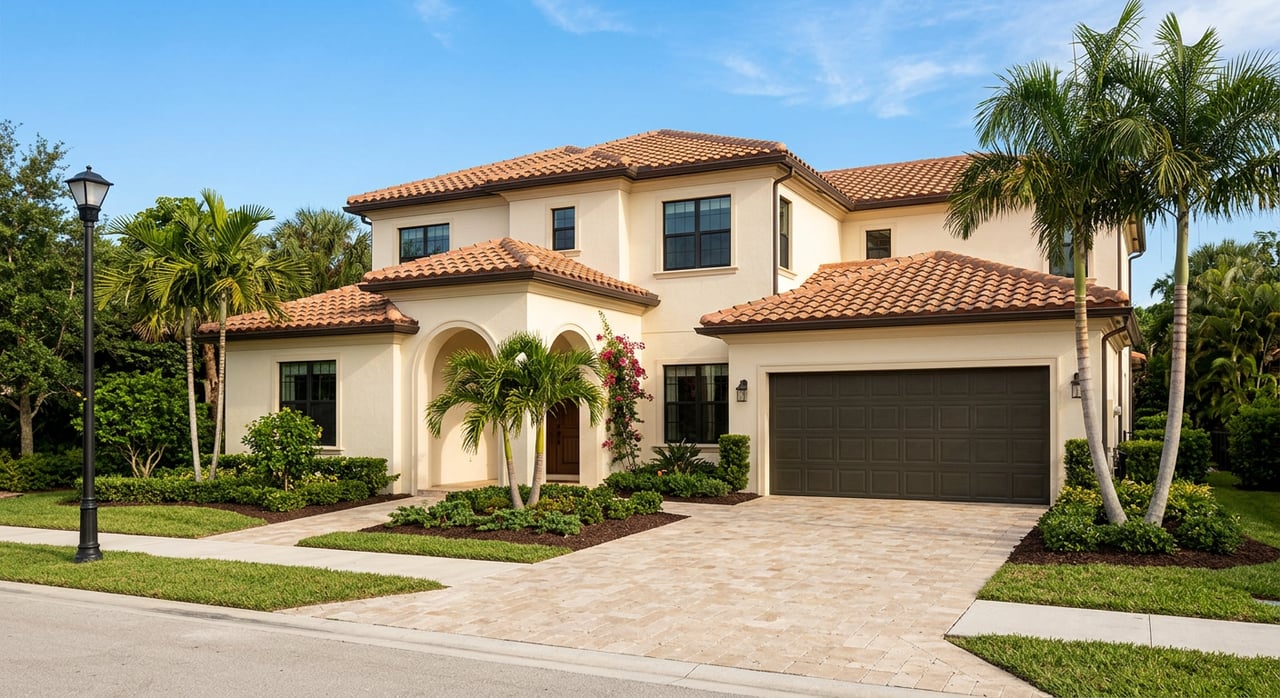
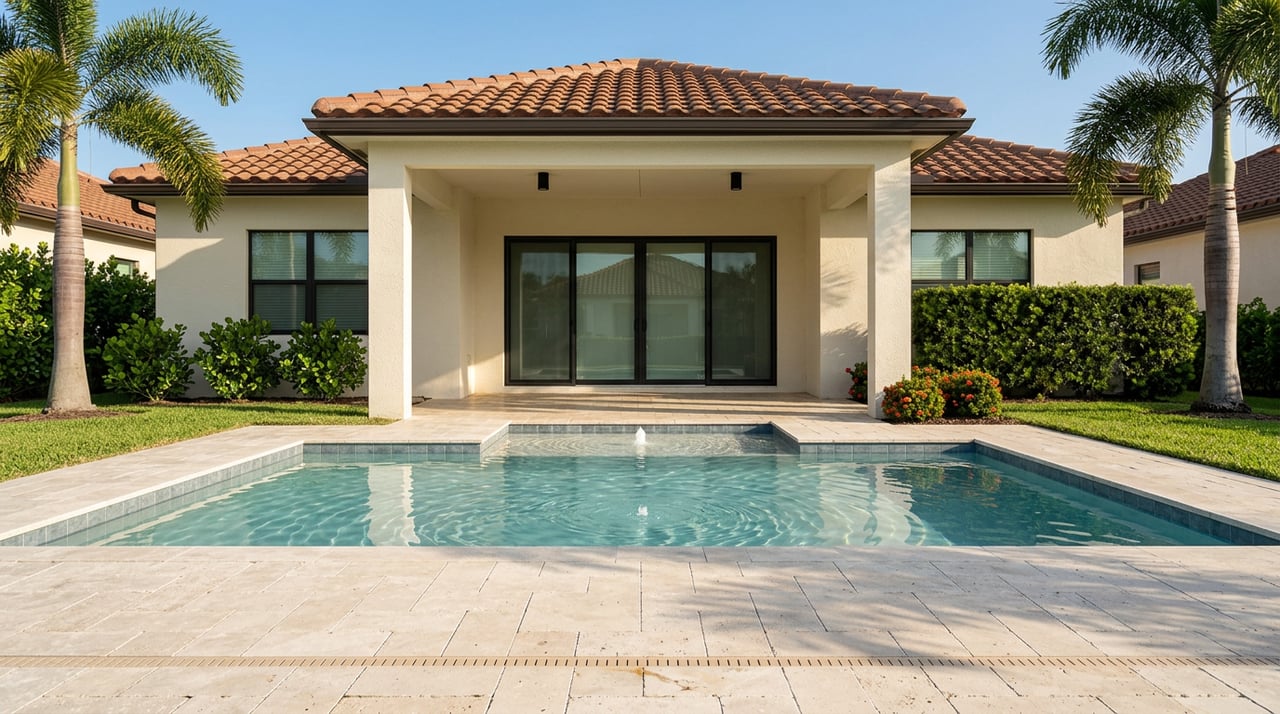
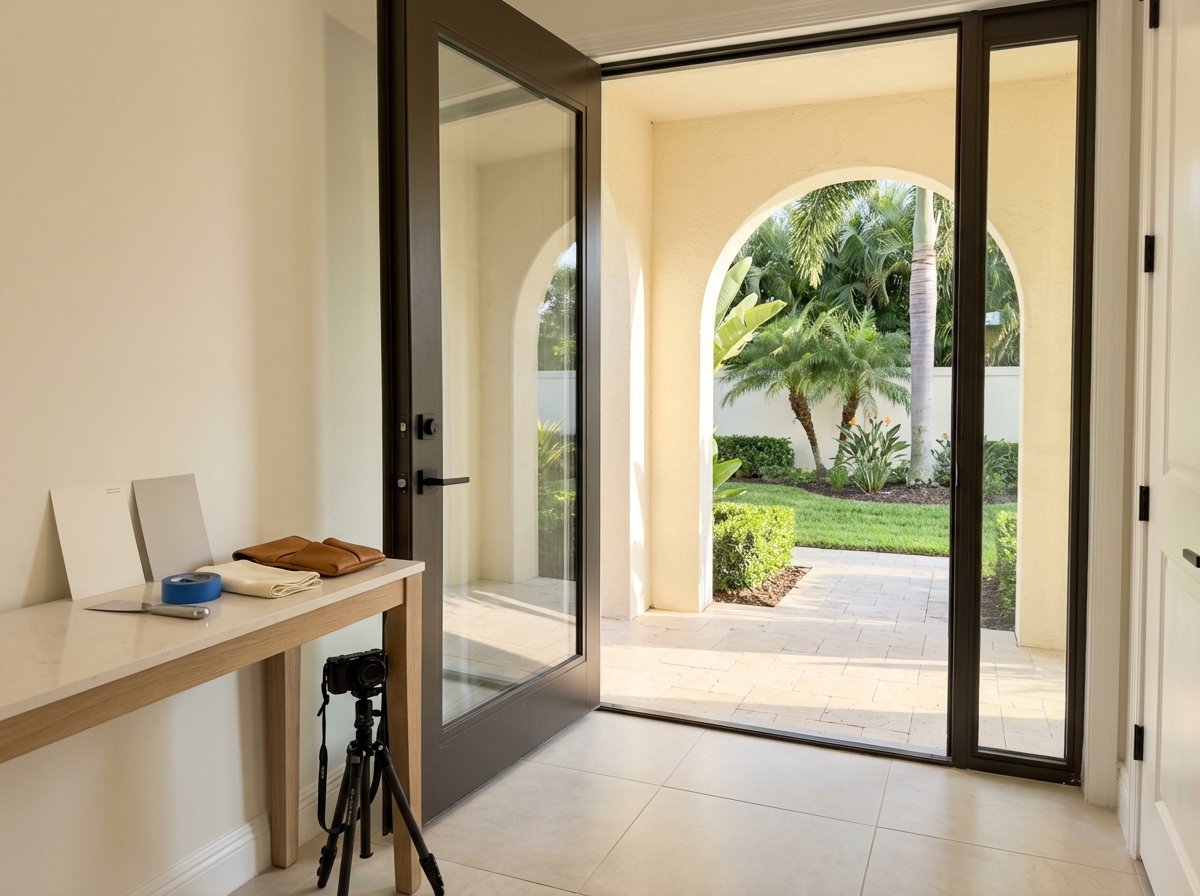
Buying a brand-new home in Stuart should feel exciting, not stressful. Still, that final walk-through before closing can raise questions, especially with Florida’s coastal climate and hurricane codes in play. You want a simple, thorough checklist that protects your investment and sets clear expectations with the builder. Use this step-by-step guide to verify workmanship, create a solid punch list, and move into your Martin County home with confidence. Let’s dive in.
Before your walk-through
Prepare so your time on site is focused and productive.
- Review your contract, specifications, and any change orders so you know what should be complete now versus after closing.
- Confirm that key paperwork is ready, including the Certificate of Occupancy, final permit sign-offs, appliance and HVAC manuals, and the builder’s warranty.
- Bring a flashlight, camera or phone, notebook, measuring tape, and a printed checklist or plan. Photos and videos are your best record.
- Consider hiring an independent inspector who knows Florida new construction. This is especially helpful if you did not do pre-drywall inspections.
Exterior checks for Stuart’s climate
Start outside while systems are off so you can spot visible issues and hear any unusual noises.
Grading and drainage
- Confirm the surface slopes away from the foundation and there is no standing water near the home.
- Check gutters and downspouts for proper placement and discharge away from the structure.
Roof and stucco
- Look for uniform shingle or membrane installation and sealed penetrations and flashing.
- Inspect stucco or exterior finishes for cracks, gaps, and clean control joints. Document hairline cracks for proper repair.
Windows, doors, and garage
- Operate each exterior door and window. Check locks, seals, and weatherstripping.
- For coastal exposure, confirm impact protection is installed per your contract and code requirements.
- Test the garage door opener, safety sensors, weather seals, and door balance.
Hardscape, irrigation, and lighting
- Walk the driveway, walkways, and patios to check for cracks and proper slope.
- Test irrigation zones and note any dry spots or overspray toward the house.
- Verify exterior lights and outlets function. Test GFCI where required.
Pools and spas (if applicable)
- Run the pump, heater, and lights. Check tile, finish, and equipment labels.
- Confirm that safety barriers and gates self-close and latch properly.
Interior checks, room by room
Move methodically, left to right, top to bottom, and document as you go.
Walls, ceilings, and paint
- Note nail pops, drywall cracks, paint touch-ups, and uneven textures.
- Check corners, trim transitions, and caulk lines for clean finishes.
Floors and trim
- Walk every room. Listen for squeaks and look for gaps, lippage on tile, or chipped boards.
- Inspect baseboards and thresholds for tight fits and smooth transitions.
Doors, windows, and cabinetry
- Open and close all interior doors, closets, and drawers. Adjustments are common and should latch smoothly.
- Verify cabinet alignment, soft-close features, and countertop overhangs and caulk joints.
Kitchen, baths, and appliances
- Run each appliance. Use the dishwasher, turn on the range, test the microwave fan, and confirm the refrigerator water and ice function if plumbed.
- Test hot and cold water at every sink, tub, and shower. Look under sinks for leaks while water runs.
Electrical and life safety
- Flip every switch and test every outlet. Confirm GFCI protection in kitchens, baths, exterior, and garage locations.
- Verify smoke and carbon monoxide detectors are installed and operational where required.
Plumbing fixtures and water heater
- Flush every toilet and check for firm mounting. Note slow drains.
- Confirm the water heater’s temperature and pressure relief valve discharge pipe is installed and the pan drains properly.
HVAC and indoor comfort
- Test the system in cool and heat modes. Confirm airflow at each register and that thermostats respond as expected.
- Inspect the condensate drain line and pan. In humid climates, proper drainage and balanced airflow are essential for comfort and condensation control.
Attic and access panels
- Check insulation coverage and ventilation. Look for sealed penetrations at ducts and mechanicals.
- Look for moisture stains, signs of pests, or mold. Confirm visible hurricane ties are in place where accessible.
Systems and special checks
A few focused checks help you confirm safety and performance.
Electrical panel and labeling
- Open the panel and confirm circuits are labeled clearly.
- Verify required AFCI and GFCI breakers are present per the home’s specs.
Venting and dryer exhaust
- Confirm the dryer vent runs to the exterior and is properly terminated.
- Test bath fans and the kitchen exhaust for airflow.
Termite protection
- Request termite pre-treatment or protection documentation and warranty, common and important in Florida.
Energy features
- Verify insulation, low-e windows, and other energy features align with your contract and energy code documents.
Recommended testing sequence
Use a simple order so you do not miss anything.
- Walk the exterior first. Note grading, roof, windows, doors, and hardscape.
- Inside, test lights and outlets, then plumbing, then appliances.
- Run the HVAC last so you can compare airflow and performance once the home has been in use for a bit.
- Photograph and video anything you note. Show items to the builder’s rep in real time.
Create and manage your punch list
Your punch list is your roadmap to completion.
- Write each item with date, room, and a short description. Add photos.
- Agree in writing on who is responsible and when it will be completed.
- Send your list the same day by email. Save copies of builder portal submissions and emails.
- For items deferred until after closing, document a specific timeline in writing.
Common Stuart-area punch-list items
You may encounter a few typical issues in coastal Martin County homes. Document and request fixes.
- Paint touch-ups, nail pops, and minor drywall cracks.
- Trim gaps, door rubs, and cabinet alignment.
- Tile grout cracks or lippage and floor transition gaps.
- HVAC balancing or duct leaks that cause uneven cooling.
- Window or door seal issues or visible condensation between panes.
- Stucco hairline cracks at control joints. Confirm correct repair method.
- Grading or drainage that causes standing water near the foundation.
- Irrigation zones not working or incomplete landscaping.
- Garage door alignment and missing or loose weatherstripping.
- Pool finish or equipment issues if you have a pool.
- Electrical labeling, missing covers, or improper GFCI/AFCI protection.
- Minor plumbing leaks, loose toilets, or slow drains.
- Missing termite treatment paperwork.
- Moisture or musty odors in closets or tight spaces. Investigate quickly.
Local requirements and risk checks
A few local steps help you close smoothly in Stuart and across Martin County.
- Permits and Certificate of Occupancy. Confirm the Certificate of Occupancy or Temporary CO is issued per your contract. Many lenders and insurers require a CO before funding or coverage.
- Flood risk and insurance. Stuart includes both coastal and inland flood zones. Check flood designations and elevation certificates needed for insurance.
- Wind and hurricane protection. Florida Building Code has specific wind-load and opening protection requirements in coastal counties. Verify impact-rated windows or approved shutter systems and wind-rated garage doors per your contract.
- Contractor licensing. Verify the builder and key subcontractors hold active Florida licenses and keep copies of your contract and change orders.
Warranties, follow-up, and escalation
Know how coverage typically works and how to get service.
Typical warranty structure
- About 1 year for workmanship and finishes for non-structural items.
- About 2 years for major systems like electrical, plumbing, and HVAC in many programs.
- About 10 years for structural elements, depending on the builder and program.
Always read your specific warranty for coverage, exclusions, and claim steps.
How to submit and track items
- Send your punch list in writing with photos or videos. Email is best and easy to track.
- Ask for a timeline and the name of the warranty or project manager who will coordinate your repairs.
- Keep a dated file of emails, photos, receipts, and service tickets.
- If allowed by your contract, document any holdbacks or escrow terms for items that extend past closing.
If repairs stall
- Escalate inside the builder’s organization, from superintendent to warranty department and management.
- For health, safety, or code items, your local building official can require corrections.
- If needed, you can file a contractor complaint with the state and review your dispute resolution clause. Consider consulting an attorney before withholding funds or delaying closing.
Spec vs. custom: what changes for you
- Spec homes. These are usually near completion at contract. Expect a shorter window for fixes. Insist on a documented list and clear dates for post-closing items.
- Custom homes. You may have multiple inspections during construction. Keep organized records of change orders and sign-offs. Confirm how custom finishes and owner-upgrades are covered by the warranty.
Pro tips for a smoother close in Stuart
- Schedule an independent inspection even for new builds.
- Verify the CO and permit closures before closing if possible.
- Collect all manuals, serial numbers, and warranty registrations at closing.
- Confirm hurricane protection and documentation for windows, doors, and roof fastening.
- Get termite treatment and warranty paperwork in writing.
- Send your punch list the same day as your walk-through and set dates in writing.
You deserve a smooth delivery day and a home that lives up to your plan. If you want a local, process-driven partner for new construction purchases on the Treasure Coast and throughout the West Palm Beach–Boca Raton–Delray Beach metro area, reach out. Schedule your consultation with Nora Hambrick and The Encore Group for step-by-step guidance from contract to keys.
FAQs
When should I schedule my final walk-through in Stuart?
- Most buyers schedule the walk-through 24 to 72 hours before closing so the home’s condition closely matches what you will receive at delivery.
Do I need an inspector for a brand-new home?
- Yes, it is wise to hire an independent inspector familiar with Florida coastal construction, who can catch items that are easy to miss on a quick builder orientation.
What is a Certificate of Occupancy and why does it matter?
- A Certificate of Occupancy confirms the home passed required inspections for safe occupancy. Many lenders and insurers require it before closing or coverage.
How do I handle flood risk for a new home in Martin County?
- Ask about the property’s flood zone and any elevation certificate. Your insurance agent can use those details to quote proper coverage.
What if the builder cannot finish everything before closing?
- Document the items in writing, agree on completion dates, and confirm any escrow or holdback terms allowed by your contract. Keep all communications and photos.
How do I verify hurricane protection is installed correctly?
- Confirm impact-rated windows or approved shutter systems match your contract and code paperwork, and that garage doors and roof fastening meet wind requirements.