Trying to choose between Palm City and Port St. Lucie can feel like comparing apples to oranges. Both offer Florida sunshine and Treasure Coast convenience, yet the value you get depends on the lifestyle you want. You might be weighing golf, boating, HOA costs, lot size, or commute. Here, you’ll learn how those features drive price, how to compare total cost of ownership, and how to match your priorities to the right neighborhood. Let’s dive in.
Market context: value varies by neighborhood
Citywide averages only tell part of the story. In both Palm City and Port St. Lucie, small pockets like private golf communities and riverfront enclaves can trade far above the median. You get the clearest picture when you compare homes by neighborhood features, not just by city name.
Palm City at a glance
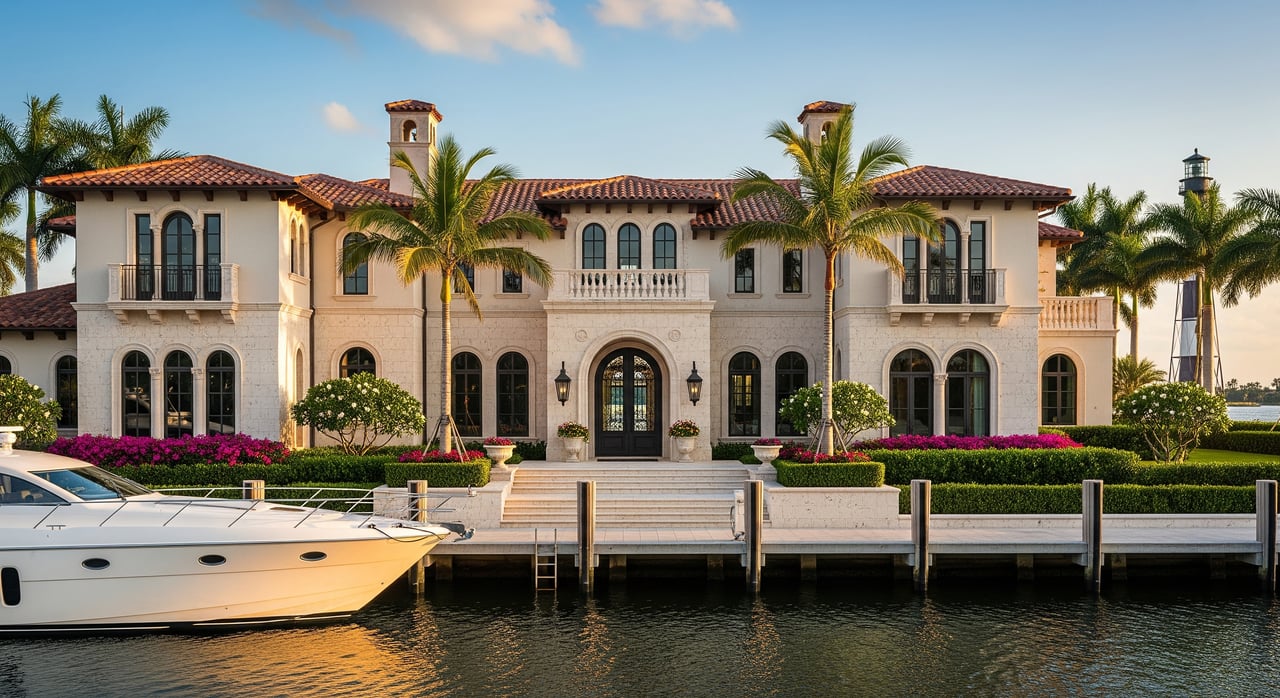
Palm City is often viewed as a more established, higher‑price market with larger lots, mature landscaping, and a mix of single‑family homes and private country‑club communities. Riverfront neighborhoods along the South Fork and St. Lucie River add a premium for dock access. New construction is more limited compared with Port St. Lucie, so resale inventory plays a bigger role.
Port St. Lucie at a glance
Port St. Lucie covers a larger footprint with faster recent growth and more new‑home development. Master‑planned communities expand the mid‑price segment, and you will also find higher‑end gated and golf‑oriented neighborhoods near areas like PGA Village. Median prices are typically lower than Palm City, though top neighborhoods can command strong premiums.
How to compare your short list
- Match homes by type and feature set: waterfront to waterfront, golf to golf, non‑HOA to non‑HOA.
- Pull price per square foot plus lot size and year built to keep comparisons fair.
- Add carrying costs like HOA, insurance, flood risk, and any required club dues.
- Check days on market and list‑to‑sale price ratios for your target neighborhoods to gauge demand.
HOA costs and rules: read the fine print
Many neighborhoods in both markets are governed by associations. Fees and rules can change your cost of ownership and your flexibility.
What drives HOA fees
- Amenities: gated security, landscaping, clubhouse, pool, fitness center, marina or docks, private roads.
- Golf or club operations: course maintenance, capital reserves, and mandatory membership in some communities.
- Management and reserves: professionally managed associations with healthy reserves may be more stable. Older communities with deferred maintenance can levy special assessments.
- Insurance responsibilities: some condo associations cover portions of the structure. Know what the HOA insures and what you insure.
Your due diligence checklist
- Request CC&Rs, bylaws, budgets, reserve studies, recent meeting minutes, and any pending litigation from the seller’s agent or association manager.
- Confirm rental and short‑term rental rules if you want flexibility or plan to invest.
- Review Florida’s governing frameworks for context. For HOAs, see Florida Statutes Chapter 720. For condos, see Chapter 718.
Typical ranges, not one number
Expect wide variation. Some deed‑restricted areas may have low annual fees while amenity‑rich enclaves and condo associations can run several hundred dollars per month. Private country‑club communities can add mandatory dues. Always compare the package of services and amenities you receive for the fee.
Golf and boating: where lifestyle adds value
Access to golf and water tends to command a premium in both cities. The size of that premium depends on exclusivity, quality, and ongoing dues.
Golf communities
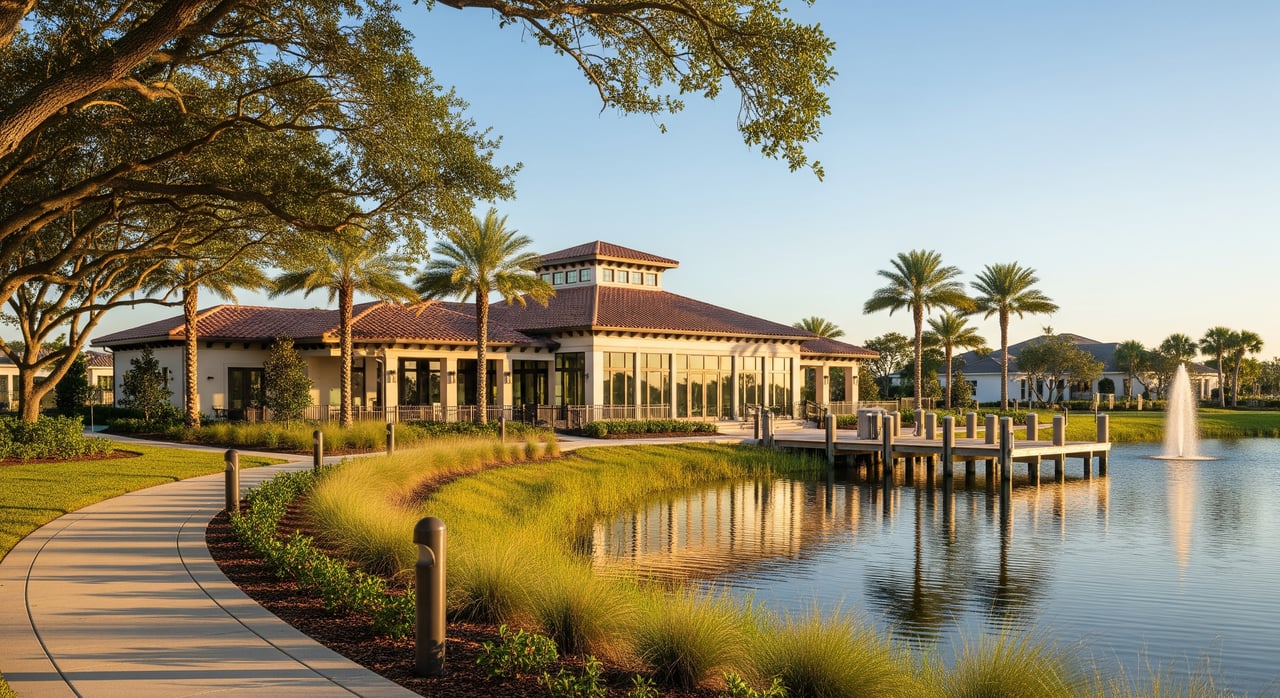
- Palm City: You will find private, country‑club style neighborhoods with membership requirements and active clubhouses. Homes on or facing fairways often sell at a premium that reflects course quality and exclusivity.
- Port St. Lucie: The city features golf‑oriented neighborhoods, including the PGA Village area, plus communities with public or semi‑private courses. Newer builds can offer modern layouts alongside golf access.
What to watch: Course ownership and membership rules. Mandatory dues and capital assessments materially affect monthly costs. If a home includes or requires membership, add that to your budget comparison.
Boating and waterfront access
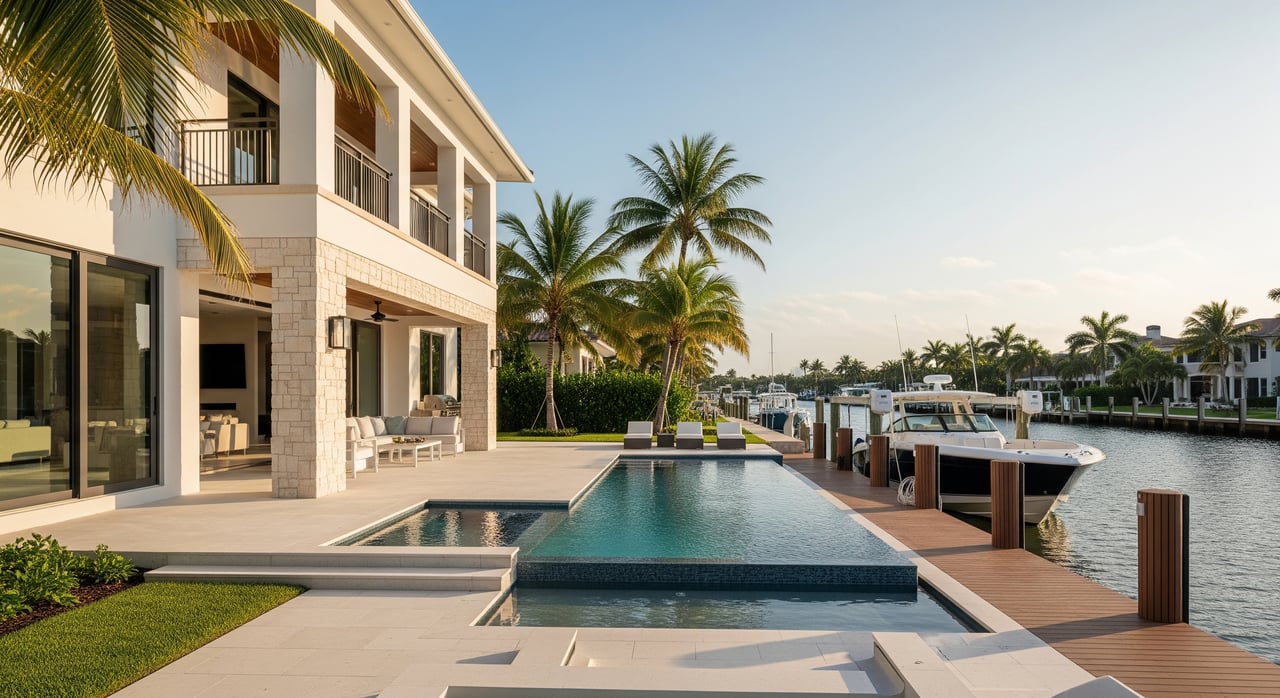
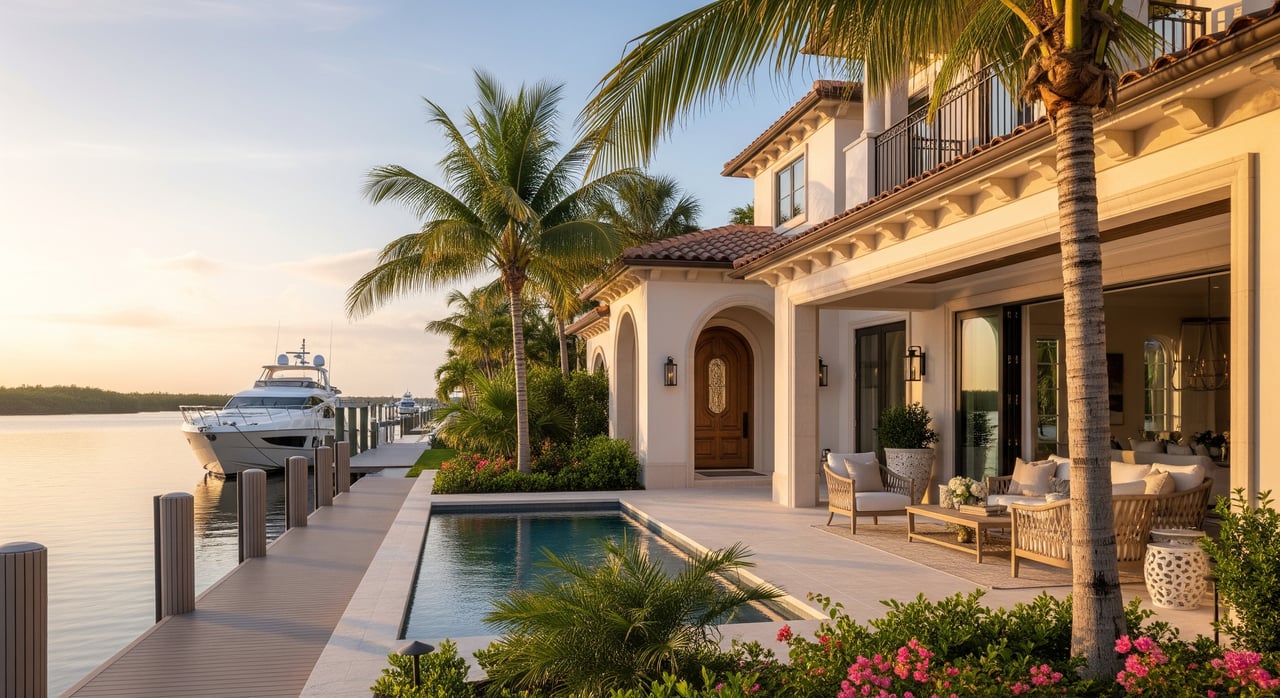
Both cities front the St. Lucie River system. Palm City offers direct access to the South Fork with routes to the Intracoastal and Atlantic via the St. Lucie Inlet. Port St. Lucie also has riverfront neighborhoods and marinas.
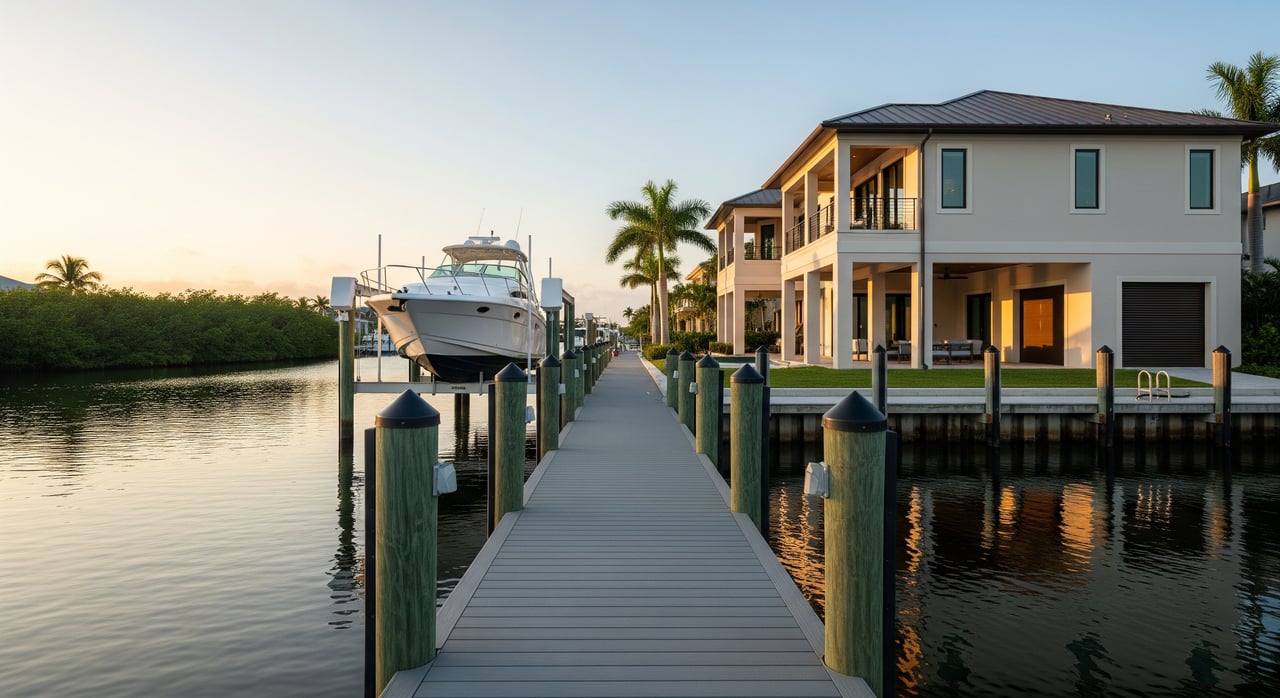
Common access types include private docks at single‑family riverfront homes, community marinas within an HOA, and public launch ramps. Marinas with deep‑water slips and nearby service yards support higher nearby home values.
Insurance and permitting matter on the water. Riverfront homes often face higher flood insurance and elevation requirements. Use the FEMA Flood Map Service Center to review flood zones and discuss mitigation features with your inspector.
Commute and transportation tradeoffs
Daily drive time can be a deciding factor if you work in Palm Beach County or elsewhere in the region.
- Palm City sits closer to Martin County job centers like Stuart and can offer shorter drives to some Palm Beach County employers compared with Port St. Lucie. Exact times depend on your origin, destination, and the time of day.
- Port St. Lucie has growing local employment across health care, retail, education, government, and construction. Many residents still commute south for higher‑paying jobs, which can mean longer daily drives.
- Both areas rely heavily on I‑95 and Florida’s Turnpike. Peak‑period congestion is a factor, and public transit options are limited.
For planning, review local transportation resources from the MPO of Martin County and the St. Lucie Transportation Planning Organization for corridor updates and future projects.
What drives value: matching lifestyle and budget
Key features that move the needle
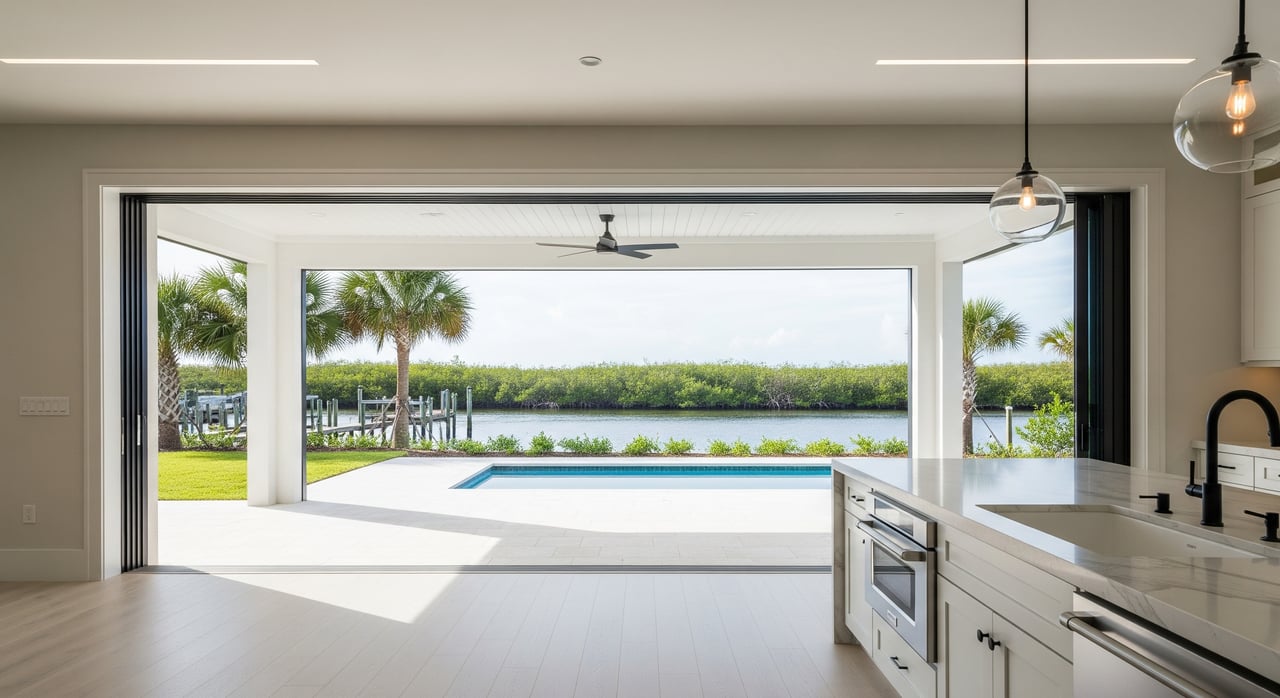
- Waterfront with private dock adds a strong premium, especially with larger boat capacity and sheltered access.
- Golf course frontage and private club membership boost value, with size of premium tied to course quality and exclusivity.
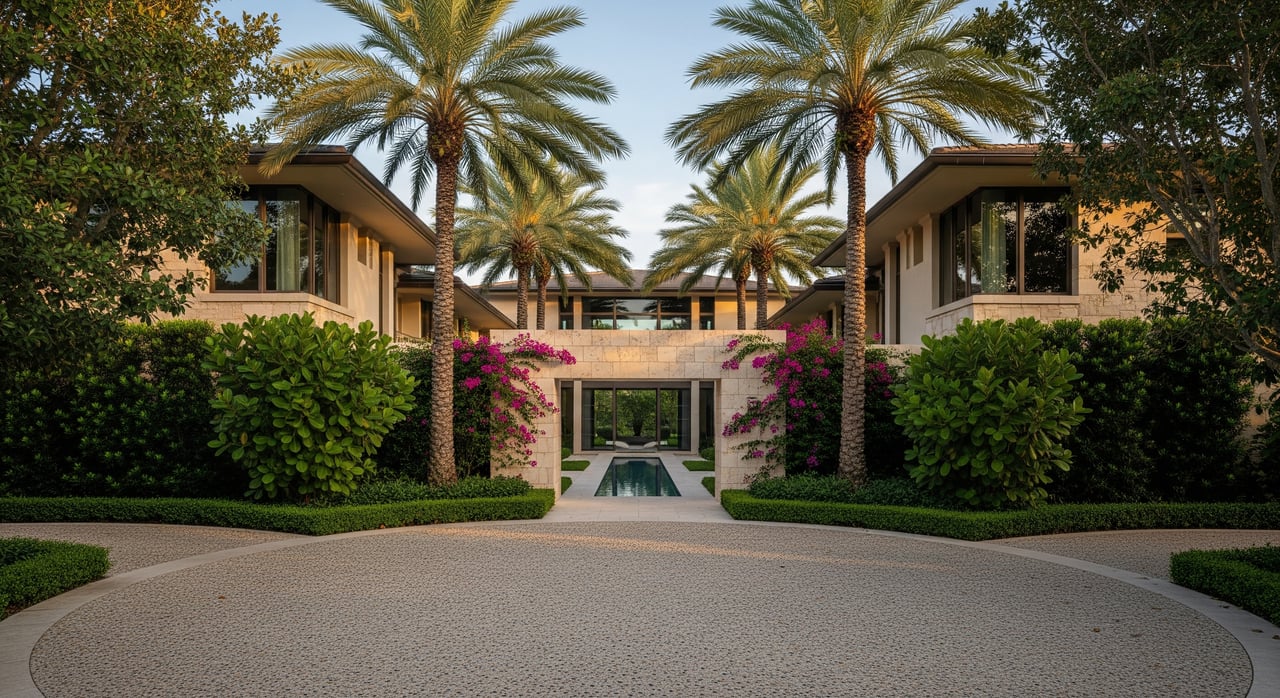
- Lot size and privacy often favor Palm City, where mature canopy landscaping is common.
- New construction is more prevalent in Port St. Lucie, which can mean modern layouts and lower immediate maintenance.
- HOA and club dues, plus rental rules, narrow or expand the buyer pool and change your long‑term cost.
- Flood zone, elevation, roof age, and mitigation features affect insurance cost and price resilience.
- School zones influence demand for family buyers. Always verify zoned schools and policies directly with the district.
Buyer profiles: which path fits you
- Lifestyle premium buyer: You want private golf or riverfront boating and accept higher pricing for privacy and amenities. Palm City often aligns with this.
- Value and new‑construction buyer: You prioritize move‑in‑ready homes at a lower price per square foot. Port St. Lucie’s master‑planned options tend to fit.
- Commuter buyer: If you work in Palm Beach County and value shorter drive times, you may lean toward Palm City. If you have a hybrid or remote schedule, you might trade a longer commute for lower sticker price in Port St. Lucie.
- Investor or second‑home buyer: You will weigh HOA rental rules and yield potential. Lower purchase prices in parts of Port St. Lucie can help cash flow, while premium waterfront or golf homes in either market support long‑term equity.
Seller tips: position your home for its niche
- Palm City sellers: Highlight waterfront access, golf credentials, lot size, mature landscaping, and any major updates like roof, HVAC, or storm hardening. Clarify HOA and club costs so buyers can compare total ownership.
- Port St. Lucie sellers: Emphasize newer construction benefits, modern floor plans, price per square foot advantages, and proximity to master‑planned amenities or golf.
- For both: Present a clear picture of carrying costs. Include HOA budgets and reserves, flood zone details, and insurance context so buyers can evaluate confidently.
How to compare total cost of ownership
Use this simple worksheet to judge apples to apples. Gather documents before you fall in love with a property.
- Price and property profile
- List price and recent comparable sales for similar features.
- Year built, roof age, primary systems condition, and any recent capital improvements.
- HOA and club costs
- Monthly or annual dues and what they cover.
- Confirmation of any mandatory club membership, initiation fees, and capital assessments.
- Rental rules that could limit flexibility or resale.
- Insurance and flood
- Homeowners insurance quote based on roof, wind mitigation, and location.
- Flood zone from the FEMA Flood Map Service Center and any elevation certificates.
- Taxes and assessments
- Commute and time cost
- Peak and off‑peak drive times to your main destinations using your exact address. Check planned corridor projects via the MPO of Martin County and the St. Lucie TPO.
- Resale and neighborhood demand
- Look at days on market and list‑to‑sold price ratios for the specific community type you are considering. Pair that with the quality and stability of amenities.
Next steps
If you love boating, compare riverfront homes with similar dock capacity, flood zones, and insurance costs in both cities. If golf is your priority, look at course ownership and membership terms alongside home features. If you want the best price per square foot with a modern layout, focus on Port St. Lucie’s master‑planned neighborhoods and new construction. If privacy and lot size matter most, add Palm City to the top of your tour.
When you are ready to compare homes side by side, connect with a local team that knows both markets and can surface the right comps, HOA documents, and cost details before you make an offer. Schedule your consultation with The Encore Group to get a neighborhood‑by‑neighborhood plan that fits your lifestyle and your budget.
FAQs
How do home prices in Palm City compare to Port St. Lucie?
- City medians are usually higher in Palm City, but neighborhood features like waterfront, golf access, lot size, and new construction can outweigh the city label. Compare homes with similar features to see true value.
What should I review before buying in an HOA community?
- Ask for CC&Rs, bylaws, budgets, reserve studies, meeting minutes, and details on any special assessments. For background, Florida regulates HOAs under Chapter 720 and condos under Chapter 718.
Is waterfront ownership more expensive in one city than the other?
- It depends on the exact location, dock type, and flood zone. Palm City’s direct riverfront and mature neighborhoods often command premiums. Use the FEMA Flood Map Service Center and insurance quotes to compare total cost.
Which city is better for commuting to Palm Beach County?
- Many buyers find Palm City offers shorter drives to some Palm Beach County job centers, but results vary by address and departure time. Check peak routes and future projects through the MPO of Martin County and the St. Lucie TPO.
How do schools factor into the decision between Palm City and Port St. Lucie?
- School zones influence demand for many buyers. Verify zoned schools and policies directly with the district. Compare neighborhoods first, then confirm the specific school assignments for any property you are considering.