Florida Title Insurance for Jupiter Homebuyers
November 21, 2025
November 21, 2025
Buying a home in Jupiter should feel exciting, not confusing. Yet many buyers pause when they hear “title insurance” and wonder if it is really necessary. You want to protect your investment and avoid surprises after closing, especially in a coastal market with HOAs, condos, and unique waterfront considerations. In this guide, you will learn what title insurance does, how it works in Florida, common Jupiter-specific issues, and how to choose a title company you can trust. Let’s dive in.
Title insurance protects you and your lender from financial loss caused by title defects that existed before you closed. Common issues include unknown liens, recording errors, undisclosed heirs, forged signatures, or encumbrances that affect how you can use the property. If a covered claim arises, policies typically pay legal defense costs and covered losses up to the policy limit.
You pay a one-time premium at closing. Your owner’s policy stays in effect as long as you or your heirs have an interest in the property. The lender’s policy protects the mortgage lender up to the outstanding loan amount and typically decreases as you pay down the mortgage.
Before issuing a policy, the title company completes a search of Palm Beach County’s public records to verify the chain of title, liens, judgments, plats, and easements. You receive a title commitment that outlines what will be insured and what must be cleared before closing. It usually includes Schedule A with key details and Schedule B with exceptions and requirements.
Standard policies exclude certain items, such as zoning or building code issues and some survey matters. Endorsements are add-ons that can expand coverage for specific concerns, such as surveys, condos, zoning, or HOAs. Endorsements cost extra but can be valuable when boundaries, setbacks, or common elements matter.
A lender’s policy is usually required if you finance your purchase. It protects the lender if a title issue affects the validity or priority of the mortgage lien. It does not protect your equity or your ownership rights.
An owner’s policy is optional from the lender’s perspective but strongly recommended. It covers your equity and legal defense costs for covered claims. The coverage amount typically equals the purchase price and lasts for your entire ownership period.
The practical takeaway for Jupiter buyers is simple. A lender’s policy protects your bank. An owner’s policy protects you. For a one-time cost at closing, it is often a small price relative to the value of your home and peace of mind.
In Florida, title insurance premiums are regulated by the state and are based on a rate schedule tied to the purchase price. While the premium itself is predictable, your total closing costs can vary due to endorsements, escrow or closing fees, and local recording charges. Ask your title agent for a written estimate that itemizes each line item.
Who pays is often a matter of local custom and negotiation. In much of South Florida, including Palm Beach County, it is common for the seller to pay for the owner’s policy while the buyer pays for the lender’s policy if there is a new loan. That said, it can vary by neighborhood and contract. Always confirm payment responsibilities in your purchase agreement and review your lender’s disclosures and closing statement to verify.
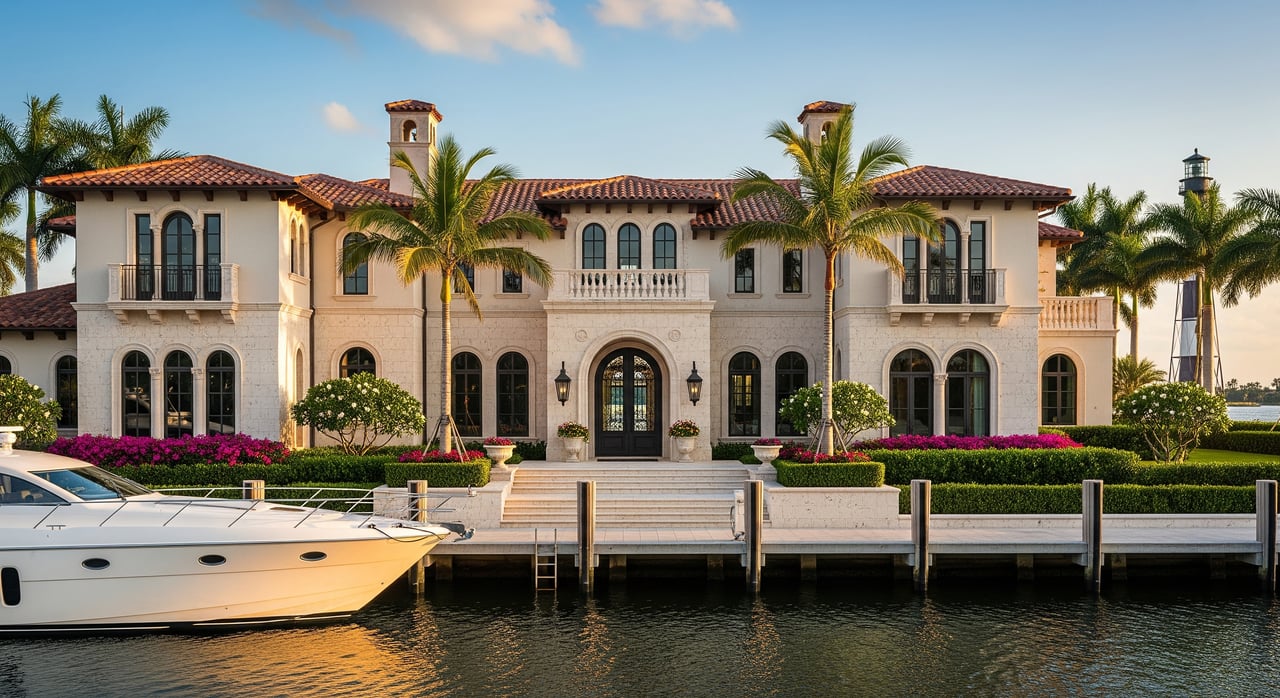
Jupiter’s coastal setting is part of its appeal, and it also brings title topics you should review with care. Waterfront and beach access can involve easements, public trust or dedication claims, and revetment or shoreline maintenance agreements. Some rights can be unrecorded or ambiguous, so asking for clear explanations and the right endorsements can help.
Shorelines can change over time due to accretion and erosion, which may affect the legal description. A current survey and a survey-related endorsement can be important for properties near the beach or Intracoastal. If you plan to add a dock, modify setbacks, or change fencing, confirm boundaries, easements, and restrictions before closing.
Many Jupiter homes and condos are within HOAs. The title commitment will typically identify recorded covenants and restrictions, and the title company often coordinates HOA documents and an estoppel letter that outlines dues and assessments. Review these documents carefully to understand fees, use restrictions, and approval requirements.
Flood risk is a separate topic that title insurance does not cover. Get flood zone information early and confirm your lender’s requirements. Consider a flood policy if it is required or prudent for your location. Environmental or sinkhole risks are also outside title coverage and are handled through inspections or other insurance.
You should receive a title commitment before closing. It lists the items that must be cleared, such as payoff of existing mortgages or release of judgments. Your closing agent will work with the seller, lender, and HOA to resolve these items and prepare documents.
Florida closings are often held at a title company or closing agent’s office. If you are financing, your lender must provide a Closing Disclosure at least three days before closing. You will also need proof of homeowner’s insurance and any lender-required items.
At the table, you will sign your loan package if applicable, the deed will be executed by the seller, and you will review final numbers. After closing, the deed and mortgage are recorded. You will receive your title policy after recording. Recording fees and state documentary stamps appear as standard line items on your closing statement, so ask for a final, itemized version.
Not all title companies operate the same way. Look for a firm that is licensed to issue title insurance in Florida and works with a financially strong national underwriter. Ask about the underwriter’s claims process and the title company’s errors and omissions coverage.
Local experience matters in Palm Beach County. An experienced title agent can spot county recording quirks, common HOA or condo issues, and coastal title considerations. They should provide a draft title commitment early, explain Schedule B items in plain language, and recommend endorsements that fit your property type.
Transparency is key. Because premiums are regulated, compare the total picture: endorsements, escrow handling, recording, and closing fees. A reputable company will offer a clear, itemized estimate and explain how escrow funds are held and disbursed.
Title insurance is there to protect your ownership from hidden problems in the past. In a coastal market like Jupiter, careful review of easements, surveys, HOA rules, and endorsements can make a real difference. Focus on a clear commitment, a transparent estimate, and a title company with deep local experience.
If you are planning a move, you do not have to navigate it alone. The Encore Group’s buyer process helps you stay organized from contract to closing, including coordination with your title and lending teams. For local guidance tailored to your goals, schedule a conversation with Nora Hambrick today.
Stay up to date on the latest real estate trends.





Your go-to real estate team. We have brought together a team of experts equipped with knowledge and specialized experience to assist you in your buying and selling goals. Contact Us today for a free consultation for buying, selling, renting or investing.